September 18, 2026
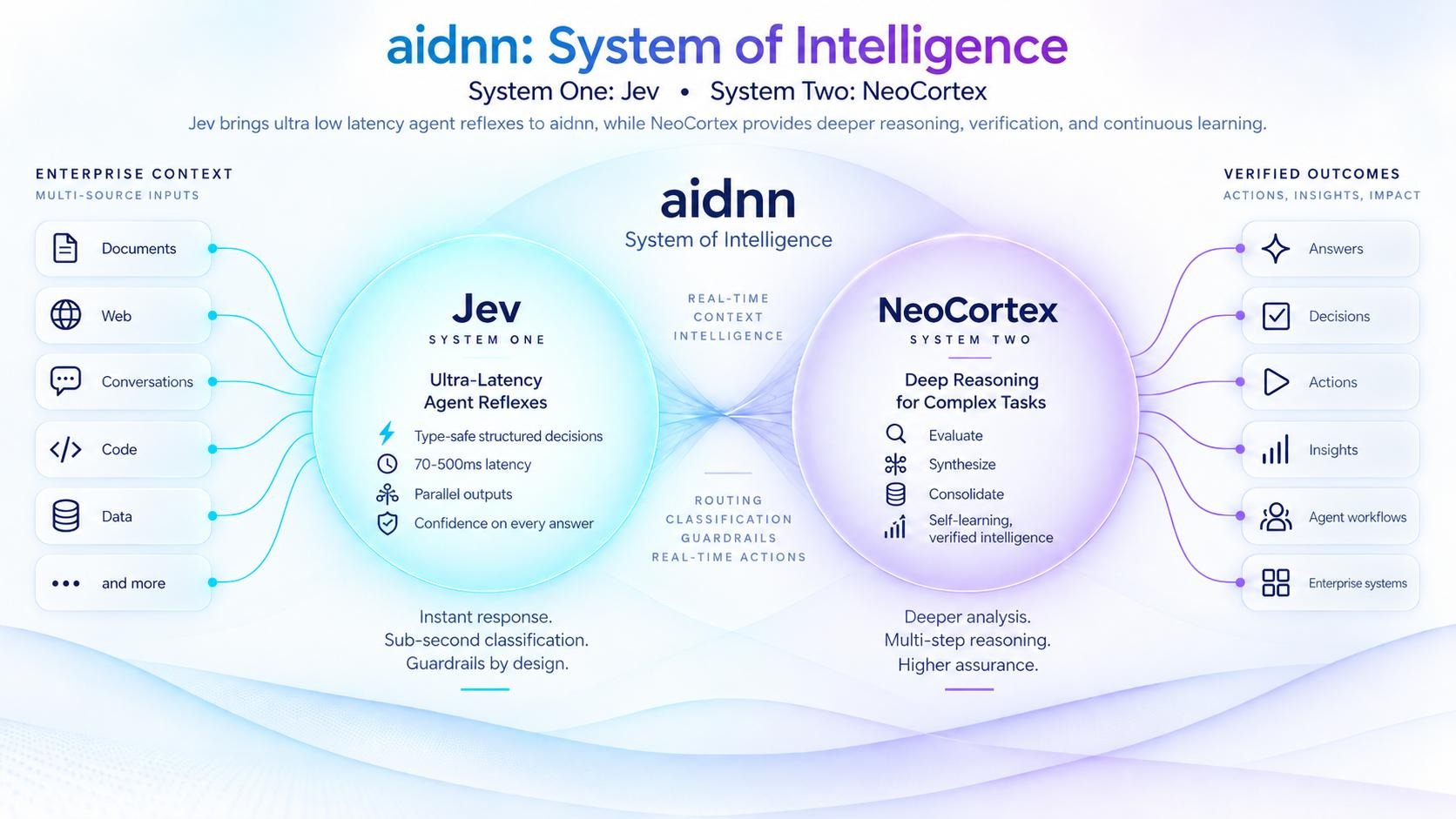
We just got access to TypeSafe AI's new model Jev and spent a day exploring it. First impressions, it's fast. It is faster than it has any business being or maybe we've gotten used to agent loops being batched over minutes.
When we started building multi-agent ensembles, we believed specialist models would come and we'd assemble a surgical team of agents, not one super genius one.
At Isotopes AI, we already use a small guardrails model to classify requests as chat, analysis, chitchat, and other categories. This routing pattern was always slow with a regular LLM and structured output, because a generative LLM takes longer to structure its thought. An RLCD model fits like a glove here, we want fast and consistent decision making in a small constrained space.
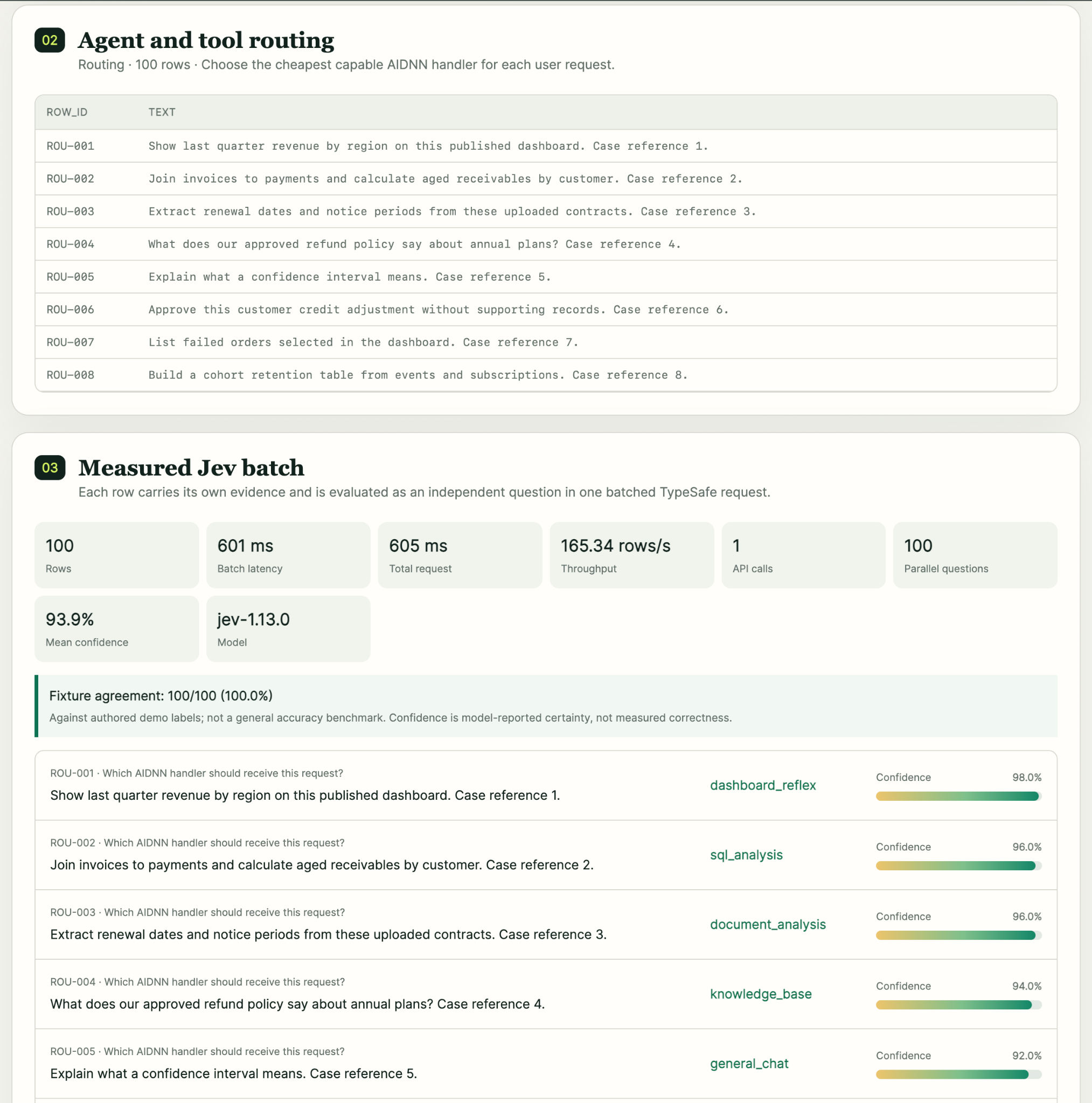
But at a large level, we've been playing with our Neocortex to see if we could speed up our actions using Reflex agents. We think of these as muscle memory learned behavior which happens without any active thought. Instead of just learning business processes into a memory layer, we can produce a fast structured agent which is suitable for small and short tasks.
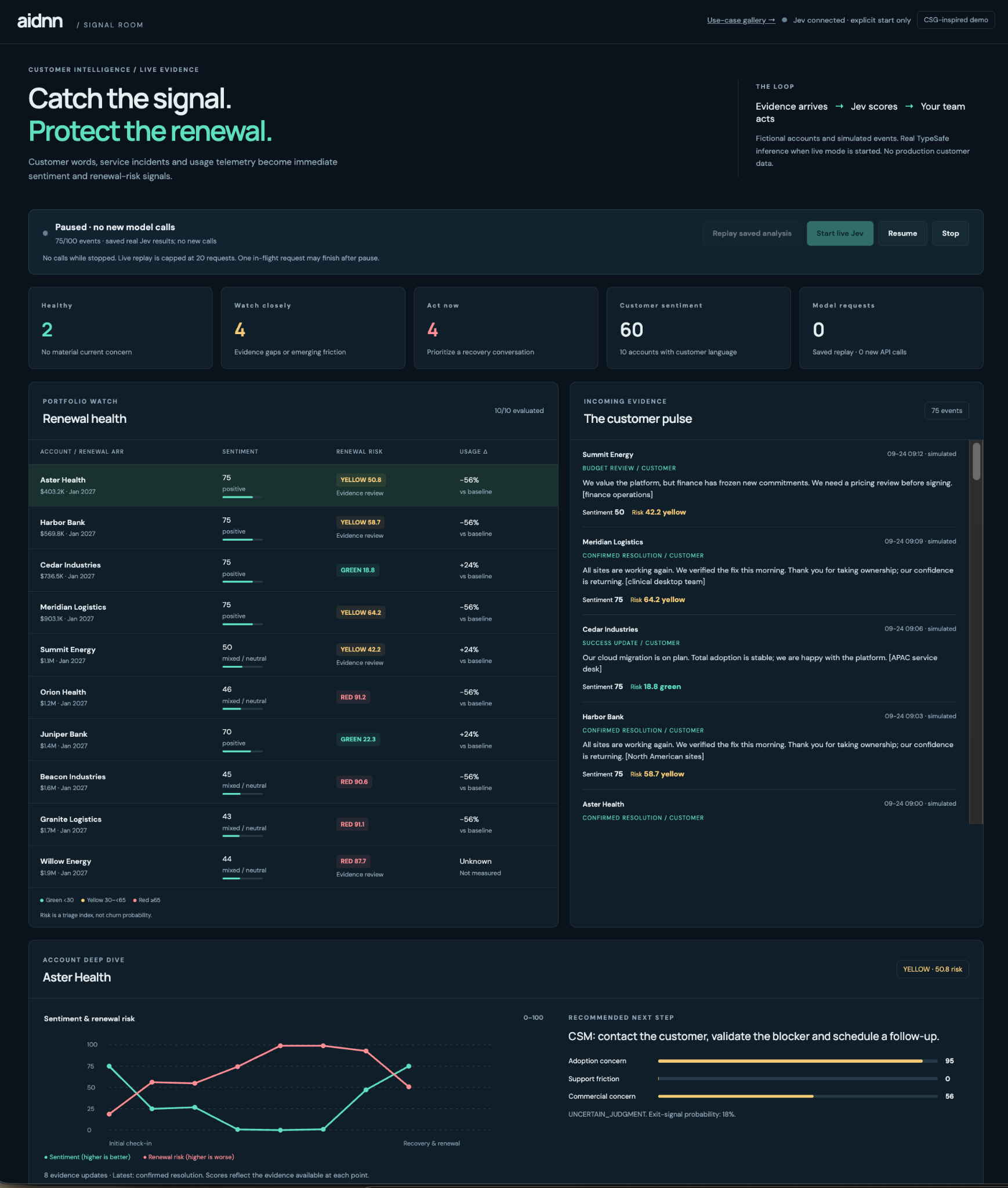
With Jev, we rebuilt the renewal signal dashboard we had made for a customer to see what it would do. As you can see, the dashboard updates in under a second when new data arrives into the system. And the output tokens are free for now, which fits us perfectly for this use-cases.
We aren't changing how our Neocortex learns and holds onto its memories, but as Kahneman's book called out, we need a System One for day to day activities, while the long term planning and learning continues for new work that comes in.
Our planners and other System Two agents can then focus on what they are good at: reasoning through complex situations. Once we have confidence that our approach is good, then we can switch those tasks to System One models.